Filtration systems in vehicles — whether air, oil, or fuel — are often judged by their material, micron rating, or brand. However, one critical factor is frequently overlooked: filtration surface area. The amount of usable surface directly influences how well a filter captures contaminants, how long it lasts, and how efficiently your engine performs.
Understanding why surface area matters helps drivers choose better filters and avoid premature wear on expensive engine components.
What Is Filtration Surface Area?
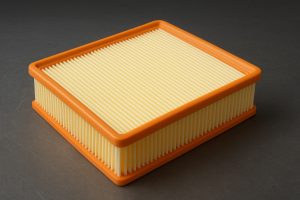
Filtration surface area is the total available space inside a filter that traps contaminants. Manufacturers increase surface area by using pleated media, tightly folded to create more space in a compact filter housing.
More surface area means:
-
More particles captured
-
Better airflow or fluid flow
-
Longer service intervals
-
Lower risk of clogging under heavy load
Why Surface Area Influences Filter Performance
1. Higher Dirt-Holding Capacity
The more pleats a filter has, the more contaminants it can store before restriction occurs. A small surface area fills quickly and forces the engine to work harder.
2. Reduced Pressure Drop
Insufficient surface area creates flow resistance.
For example:
-
An engine air filter with small media forces the intake to suck harder, reducing efficiency.
-
An oil filter with limited area can trigger bypass valve activation, sending unfiltered oil into the engine.
3. Better Cooling and Fluid Stability
Filters with larger media distribute heat more evenly and maintain consistent flow, especially important in high-RPM or towing conditions.
4. Longer Filter Lifespan
Bigger media area slows clogging, extending service life and reducing maintenance costs.
Comparison: Small vs. Large Filtration Surface Area
| Feature / Effect | Small Surface Area | Large Surface Area |
|---|---|---|
| Dirt-holding capacity | Low – clogs quickly | High – handles contaminants efficiently |
| Flow restriction | Higher resistance | Smooth, stable flow |
| Engine performance | Slight drop over time | Consistent, optimized |
| Filter lifespan | Shorter | Longer |
| Risk of bypass valve activation | Increased | Reduced |
Filters Where Surface Area Matters the Most
1. Engine Air Filters
A bigger surface improves airflow, especially crucial for:
-
Turbocharged engines
-
High-revving petrol engines
-
Dusty environments
2. Oil Filters
Oil filters with larger media:
-
Maintain pressure balance
-
Reduce engine sludge formation
-
Prevent unfiltered oil circulation
3. Cabin Air Filters
The more media, the better they handle:
-
Dust
-
Pollen
-
Exhaust particles
-
Allergens
Pleated charcoal filters benefit the most from added surface area.
Signs Your Filter Has Insufficient Surface Area
These symptoms often show up earlier than expected:
-
Frequent clogging or short replacement intervals
-
Reduced engine power
-
Increased fuel consumption
-
Strong odors in cabin air
-
Hard starts (fuel system filters)
-
Noisy or strained engine operation
If you notice these symptoms shortly after installing a cheap filter, the issue may be low-quality media with minimal surface area.
How Manufacturers Increase Surface Area
1. Pleating Density
More pleats = more filtration surface.
But too many pleats packed tightly can reduce airflow, so balance is key.
2. Media Quality
High-grade synthetic or multilayer media offers more usable surface per square centimeter than basic cellulose.
3. Filter Shape Optimization
Some performance filters use conical or oval shapes to maximize area without increasing size.
Choosing the Right Filter: Practical Tips
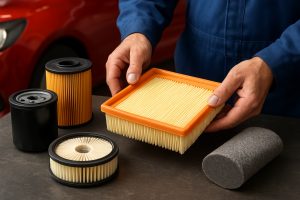
When comparing filters, look for:
-
Pleat count – more pleats generally mean better filtration
-
Media type – synthetic holds more dirt
-
Reputation and certification – ISO-tested filters ensure consistent area
-
Weight and rigidity – heavier filters often contain more media
Avoid extremely cheap filters — they usually cut corners by reducing surface area.
Where to Buy High-Quality Filters
To find filtration systems designed with proper surface area and premium media, visit the link below: buy filters online
Conclusion
Filtration surface area is one of the most important — yet least discussed — characteristics of any filter. A larger surface area supports better dirt-holding capacity, lower resistance, improved performance, and longer service life. Whether choosing air, oil, or fuel filters, always prioritize the amount and quality of filtration media. Your engine, fuel efficiency, and long-term maintenance budget will all benefit from a smarter choice.