An internal combustion engine can be compared to a living organism — it needs to breathe efficiently to perform at its best. The quality and quantity of air entering the engine directly affect power output, fuel efficiency, emissions, and longevity. While many drivers focus on engine size or turbocharging, the design of the air filter plays a critical and often underestimated role in engine breathing. Understanding the science behind airflow and filter design helps explain why choosing the right filter matters so much.
Why Engine Airflow Is So Important

For combustion to occur efficiently, an engine needs a precise mixture of air and fuel. Any restriction or imbalance in airflow disrupts this ratio, leading to reduced performance and increased emissions.
Efficient airflow helps to:
-
Improve throttle response
-
Increase combustion efficiency
-
Reduce fuel consumption
-
Lower exhaust emissions
-
Protect engine components from contaminants
The air filter sits at the very start of this process, making it a key gatekeeper for engine breathing.
How Air Filters Control Airflow
An air filter must perform two opposing tasks at once:
-
Allow sufficient air to flow freely into the engine
-
Trap dust, dirt, pollen, and debris before they reach sensitive components
Filter design determines how well this balance is achieved.
Key Elements of Filter Design
-
Filter media material
-
Surface area
-
Pleat depth and spacing
-
Airflow path geometry
Each of these factors influences how easily air can pass through the filter while maintaining effective filtration.
Filter Media and Airflow Resistance
The filter media is the heart of the air filter. Common materials include paper, synthetic fibers, foam, and cotton gauze.
Material Characteristics:
-
Paper filters offer excellent filtration but can restrict airflow as they clog.
-
Synthetic filters balance airflow and durability.
-
Cotton gauze filters are designed for higher airflow with moderate filtration.
-
Foam filters are popular in off-road applications due to their dirt-holding capacity.
As airflow passes through the filter media, resistance is created. Excessive resistance reduces the volume of air entering the engine, limiting its ability to “breathe” freely.
Table: Filter Media vs Airflow Characteristics
| Filter Media Type | Airflow Capability | Filtration Efficiency | Typical Use |
|---|---|---|---|
| Paper | Moderate | High | Daily driving |
| Synthetic | High | High | Modern vehicles |
| Cotton Gauze | Very High | Medium–High | Performance engines |
| Foam | Moderate | Medium | Off-road use |
Surface Area: More Space, Better Breathing
A larger filter surface area allows more air to pass through with less resistance. This is why many high-performance and heavy-duty filters use deep pleats or multi-layer designs.
Benefits of increased surface area:
-
Lower airflow restriction
-
Improved engine response
-
Slower clogging rate
-
More consistent airflow over time
Pleated designs increase surface area without increasing the filter’s physical size, making them ideal for compact engine bays.
The Role of Pleat Design
Pleat depth and spacing determine how air spreads across the filter.
-
Shallow, tightly packed pleats:
-
Higher surface area
-
Risk of airflow restriction if clogged
-
-
Deeper, wider pleats:
-
Better airflow distribution
-
Improved dirt-holding capacity
-
Well-designed pleats help maintain smooth airflow and reduce turbulence before air enters the intake system.
Airflow Smoothness and Engine Performance
Air doesn’t just need to flow — it needs to flow smoothly. Turbulence before the throttle body or mass airflow sensor can affect sensor readings and fuel delivery.
Good filter design promotes:
-
Even airflow across the intake
-
Accurate air mass measurement
-
Stable combustion
-
Reduced hesitation and lag
This is especially important in modern engines with sensitive electronic controls.
List: Signs of Restricted Engine Breathing
A poorly designed or clogged filter can cause noticeable symptoms:
-
Sluggish acceleration
-
Reduced fuel economy
-
Rough idle
-
Increased emissions
-
Engine warning lights
Replacing the filter often restores normal airflow and performance.
Filter Design and Emissions
Efficient airflow supports complete combustion, which reduces unburned hydrocarbons and carbon monoxide in exhaust gases. A restrictive filter forces the engine to work harder, increasing emissions and fuel consumption.
Modern emission systems rely on:
-
Stable air-to-fuel ratios
-
Accurate airflow measurement
-
Consistent intake conditions
A well-designed air filter supports all three.
Performance vs Protection: Finding the Balance
High airflow filters are popular among enthusiasts, but filtration quality must not be sacrificed. Allowing abrasive particles into the engine accelerates wear on piston rings, cylinders, and valves.
The ideal filter offers:
-
High airflow
-
High dirt-trapping efficiency
-
Structural stability under pressure
-
Long service life
This balance is achieved through advanced materials and thoughtful engineering — not just open designs.
Choosing the Right Filter for Your Engine
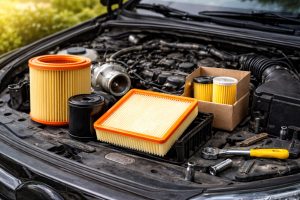
When selecting an air filter, consider:
-
Vehicle type and engine output
-
Driving environment (urban, dusty, off-road)
-
Manufacturer recommendations
-
Desired balance between performance and longevity
For a wide range of options engineered for optimal airflow and protection, you can Buy filters online and choose solutions tailored to your driving needs.
Maintenance and Airflow Consistency
Even the best filter design loses effectiveness if neglected. Dirt buildup increases resistance and disrupts airflow.
Maintenance tips:
-
Inspect air filters regularly
-
Replace disposable filters on schedule
-
Clean reusable filters properly
-
Avoid over-oiling performance filters
Consistent maintenance ensures the engine continues to breathe efficiently.
Conclusion
The science of airflow reveals just how important filter design is to engine breathing. From media selection and surface area to pleat geometry and airflow smoothness, every design choice affects how easily air reaches the combustion chamber. A well-designed air filter improves performance, efficiency, and emissions while protecting the engine from harmful contaminants.
Understanding these principles empowers drivers to make better maintenance and upgrade decisions. When it’s time to replace or upgrade your filters, choose quality solutions that balance airflow and protection — and confidently Buy filters online to keep your engine breathing freely and performing at its best.