Modern vehicles are expected to deliver strong performance while meeting increasingly strict environmental regulations. While components like catalytic converters and engine management systems often receive attention, filters play a quieter but equally critical role in controlling engine emissions. Air filters, fuel filters, oil filters, and cabin-related emission filters all contribute to cleaner combustion, reduced pollutants, and longer engine life. Understanding how these filters work together helps drivers appreciate their importance and maintain their vehicles responsibly.
Why Emission Control Matters
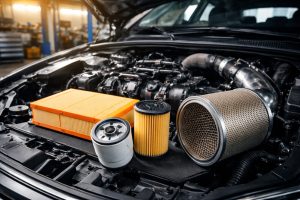
Engine emissions contain harmful substances such as carbon monoxide (CO), nitrogen oxides (NOx), hydrocarbons (HC), and particulate matter. These pollutants negatively affect air quality, human health, and the environment. Emission control systems are designed to minimize these outputs, and filters are a foundational part of this process.
Key goals of emission control systems include:
-
Reducing harmful exhaust gases
-
Improving combustion efficiency
-
Protecting sensitive engine components
-
Meeting legal emission standards
-
Enhancing overall fuel efficiency
Types of Filters Involved in Emission Control
Although filters are often viewed as basic maintenance items, each type directly or indirectly affects emissions.
1. Air Filters
The engine air filter ensures that only clean air enters the combustion chamber.
Functions:
-
Removes dust, pollen, and debris
-
Ensures proper air-to-fuel ratio
-
Promotes complete and efficient combustion
A clogged air filter restricts airflow, leading to incomplete combustion, higher fuel consumption, and increased hydrocarbon emissions.
2. Fuel Filters
Fuel filters remove contaminants from fuel before it reaches the injectors.
Benefits:
-
Prevents injector clogging
-
Maintains precise fuel spray patterns
-
Supports consistent combustion
Poor fuel filtration can cause uneven combustion, increasing CO and HC emissions.
3. Oil Filters
Oil filters trap metal particles, carbon deposits, and sludge from engine oil.
Emission impact:
-
Reduces internal engine wear
-
Maintains proper sealing of piston rings
-
Limits oil burning in the combustion chamber
Excessive oil contamination can lead to higher particulate emissions and blue exhaust smoke.
4. Particulate and Emission-Specific Filters
Some modern vehicles include specialized filters such as diesel particulate filters (DPF).
Purpose:
-
Capture soot and fine particles
-
Prevent particulate matter from entering the atmosphere
How Filters Improve Combustion Efficiency
Clean filters ensure that engines operate under optimal conditions. When airflow, fuel delivery, and lubrication are all stable, combustion becomes more complete and controlled.
Complete combustion results in:
-
Lower unburned hydrocarbons
-
Reduced carbon monoxide output
-
More effective catalytic converter operation
Table: Filters and Their Emission Impact
| Filter Type | Primary Function | Emission Benefit |
|---|---|---|
| Air Filter | Cleans intake air | Reduces HC and CO |
| Fuel Filter | Purifies fuel | Improves burn efficiency |
| Oil Filter | Cleans engine oil | Lowers particulate emissions |
| DPF / Emission Filter | Traps exhaust particles | Reduces soot and PM |
Consequences of Neglecting Filters
Failing to replace filters on time can significantly increase emissions and damage other systems.
Common consequences include:
-
Increased fuel consumption
-
Rough engine operation
-
Higher exhaust emissions
-
Premature catalytic converter failure
-
Failed emissions inspections
List: Warning Signs of Filter-Related Emission Issues
-
Black or blue exhaust smoke
-
Decreased engine performance
-
Poor fuel economy
-
Check engine light activation
-
Strong exhaust odor
Filters and Emission Regulations
Modern emission standards require precise engine operation. Sensors, catalytic converters, and engine control units rely on clean airflow and fuel delivery. Dirty or clogged filters disrupt this balance, making it harder for vehicles to meet emission limits.
Regular filter maintenance supports:
-
Stable sensor readings
-
Proper exhaust after-treatment
-
Long-term compliance with emission laws
Maintenance Intervals Matter
Each filter has a recommended replacement interval, which varies by vehicle type, driving conditions, and environment.
Typical guidelines:
-
Air filter: every 15,000–30,000 km
-
Fuel filter: every 30,000–60,000 km
-
Oil filter: with every oil change
-
Emission filters: according to manufacturer guidelines
Driving in dusty, urban, or high-traffic areas may require more frequent replacements.
Choosing Quality Filters
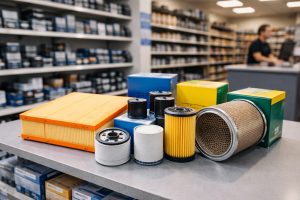
Not all filters perform equally. High-quality filters provide better filtration efficiency, airflow balance, and durability.
When selecting filters, consider:
-
OEM or equivalent quality standards
-
Filtration efficiency ratings
-
Compatibility with your engine
-
Driving conditions and fuel type
To explore reliable options, you can Buy filters online and choose products designed to support both engine performance and emission control.
The Bigger Picture: Filters and Sustainability
Efficient filters do more than protect engines — they help reduce environmental impact. By supporting clean combustion and lower emissions, filters contribute to:
-
Improved air quality
-
Reduced carbon footprint
-
Longer engine lifespan
-
Lower overall vehicle emissions
Small components, when properly maintained, make a significant difference at scale.
Conclusion
Filters play a hidden yet essential role in engine emission control. From ensuring clean air and fuel delivery to protecting internal components and supporting exhaust after-treatment systems, filters directly influence how cleanly and efficiently an engine operates. Neglecting them can lead to increased emissions, reduced performance, and costly repairs.
Regular replacement and the use of high-quality filters are simple but powerful steps toward cleaner driving and regulatory compliance. When it’s time for maintenance or upgrades, confidently Buy filters online and equip your vehicle with components that support efficient combustion, lower emissions, and long-term reliability.