Turbocharged engines are engineered for performance — delivering more power and torque by forcing extra air into the combustion chamber. However, this boost in performance also places greater demands on engine components, including filters. Filters protect the engine from contaminants, regulate airflow, and maintain clean fuel and oil circulation. Choosing the wrong filter can hinder engine performance, increase wear, and even lead to costly failures.
This article highlights common mistakes people make when selecting filters for turbocharged engines, explains why these errors happen, and offers guidance to help you make better filtration decisions.
Overlooking the Importance of Filter Quality
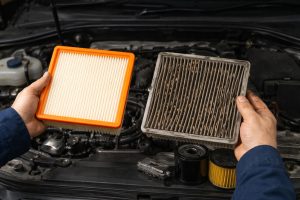
One of the most frequent mistakes is assuming that all filters are the same. Quality matters immensely in turbocharged setups because contaminants can seriously damage high-performance components.
Quick Comparison: Filter Quality Levels
| Filter Type | Pros | Cons |
|---|---|---|
| Economy/Generic | Low cost | Poor filtration, shorter life |
| OEM Specification | Reliable performance | Mid-range price |
| High-Performance/Aftermarket | Superior flow and protection | Higher cost |
Choosing the cheapest option may seem financially smart, but in turbocharged engines where pressures and temperatures are higher, inexpensive filters often fail prematurely — allowing dirt, soot, and debris into sensitive areas.
Ignoring the Correct Filter Type for Your Needs
Not all filters are created equal. Each type of filter — air, oil, or fuel — has specific design features tailored to its role. Turbocharged engines require filters capable of handling higher flow rates and increased contamination.
Filter Types and Turbo Needs
| Filter Type | Function | Turbo Requirement |
|---|---|---|
| Air Filter | Keeps dust and particles out of intake | Must support increased airflow |
| Oil Filter | Removes contaminants from engine oil | Must handle higher oil temperatures |
| Fuel Filter | Cleans fuel from particulates | Must flow consistently under higher demand |
Air filters with low airflow capability can choke a turbo, reducing performance and increasing heat. Likewise, oil filters that can’t handle thermal stress may break down, affecting lubrication.
Falling for “More Surface Area” Without Checking Material Quality
Surface area is crucial — more surface area generally means better dirt-holding capacity. But this only matters if the filter media (material) is high quality.
Surface Area vs. Media Quality
Large surface + high-quality media = strong filtration and long life
Large surface + poor-quality media = false sense of security
Some aftermarket filters advertise large surface areas but use cheap paper or synthetic blends that trap fewer contaminants and degrade faster.
Misjudging Filtration Efficiency vs. Flow Rate
There is a balance between efficiency (how well the filter traps particles) and flow rate (how easily air or liquid passes through). Turbocharged engines need both:
-
High flow rate for performance
-
High efficiency to protect components
Getting this balance wrong — such as choosing a high-flow but low-efficiency filter — can allow harmful particles into the engine while still restricting performance.
Not Matching Filter Specifications to Engine Modifications
Many turbocharged engines are modified for better performance — bigger turbo, upgraded intercooler, higher boost pressures, etc. These changes often require upgraded filtration that matches the new operating conditions.
Modification Level vs. Filter Need
| Engine Setup | Filter Requirement |
|---|---|
| Stock Turbo | OEM or quality aftermarket filter |
| Mild Performance Upgrade | Enhanced flow and higher efficiency |
| Medium Turbo Upgrade | High-performance air, fuel, and oil filters |
| Track/Competition | Race-grade filters with maximum airflow |
Ignoring these needs can lead to reduced power gains and engine damage over time.
Skipping Maintenance Intervals
Even the best filters eventually become saturated with contaminants and must be replaced. Turbocharged engines often operate at higher temperatures and produce more byproducts, which means filters can clog faster.
Filter Lifespan Considerations
-
Increased boost = more contaminants
-
High-temperature oil = oxidation and sludge
-
Urban or dusty environments = rapid air filter clogging
Regularly inspecting and replacing filters based on actual usage conditions, not just mileage, keeps your turbocharged engine operating smoothly.
Forgetting about “Fit and Seal” Quality
A filter that’s slightly off in size or doesn’t seal properly may allow contaminants to bypass it completely. Always ensure:
Correct dimensions
Proper gaskets and seals
Firm installation
Even a high-quality filter fails if it doesn’t fit right.
Assuming All Aftermarket Filters Are Better
Upgrading to a performance filter is often beneficial, but not automatically so. Some aftermarket filters are overpriced and underperform compared to OEM or premium-brand filters. Always check:
-
Manufacturer reputation
-
Filtration efficiency ratings
-
Compatibility with engine and modifications
Best Practices for Choosing Filters for Turbocharged Engines
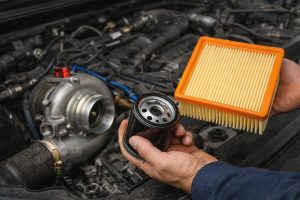
Here’s a quick checklist to help guide your choice:
-
Select filters designed for high-flow applications
-
Choose media rated for turbo temperatures
-
Match filter specs with your engine setup
-
Replace filters regularly based on usage
-
Avoid cheap generic filters
-
Ensure proper fit and sealing
-
Consider performance filters from reputable brands
For a wide range of quality filters — from high-performance to OEM-equivalent — you can buy filters online and select components that support turbocharged engines.
Conclusion
Choosing the right filter for a turbocharged engine is more than just picking the closest size on a shelf. Mistakes such as undervaluing quality, ignoring specific needs, misbalancing efficiency and flow, and overlooking maintenance intervals can compromise performance and shorten engine life. Turbocharged engines thrive on precise airflow, clean fuel, and healthy lubrication — and filters are essential to all three.
By avoiding common mistakes and selecting filters that are engineered to handle the demands of boosted performance, you protect your investment and ensure reliability. For dependable options that support both performance and protection, be sure to buy filters online and keep your turbocharged engine breathing and running at its best.